Bees Belong in the Boroughs
The quiet buzzing of native bees may be hard to hear with city traffic, but the work they do should not be overlooked. As they feed, they pollinate the plants that fill our parks, gardens, and streets with green. Communities feel it, too: fresh food and a chance to notice nature close to home.
But bees are in rapid decline here and around the world, and so are other insects and pollinators. Native bees face many of the same challenges as people living in a big city. They need green space and natural materials to find food and nest their young, but real estate is very limited. That puts our crops at risk, along with trees and other native plants that depend on bees to fruit and seed. Lose them, and the effects ripple through the diverse ecosystems they help support.
That’s where we come in. We build habitats and plant flowers in public spaces across the boroughs, so bees can spend their energy on what they do best.
What We Do
We build bee habitats that occupy the public spaces New Yorkers walk past all the time: pedestrian plazas and Open Streets. You’ll find them at sites across the city, like Gates Avenue Plaza in Brooklyn and Audubon Plaza in The Bronx. In these spaces, we are creating homes and food sources for our city’s bees.
We Build Homes for Bees
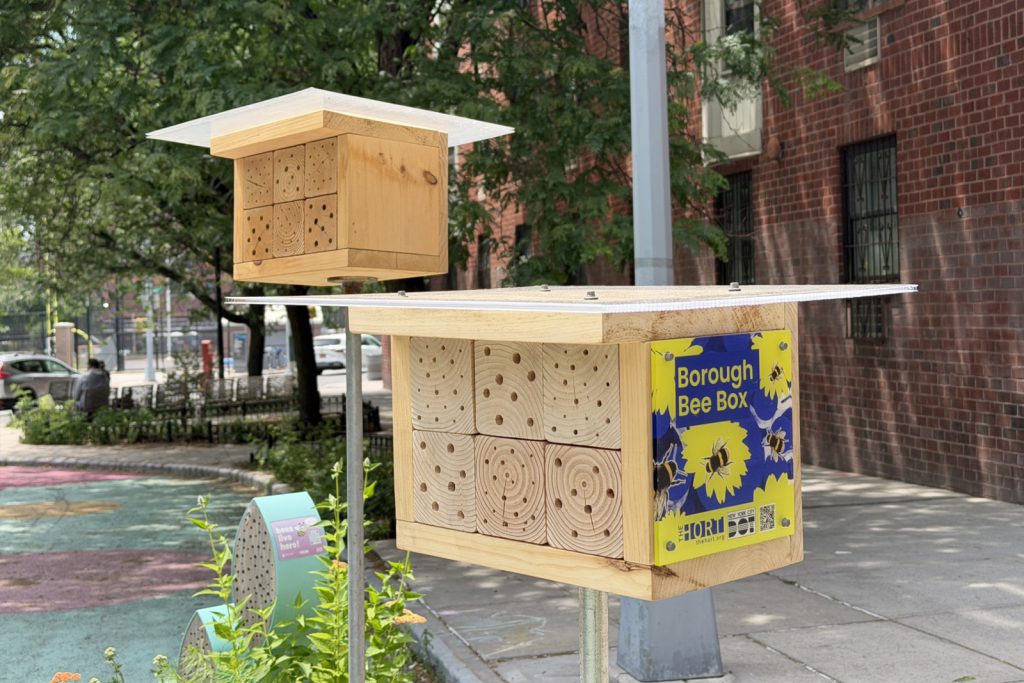
Borough Bee Boxes
Our main nesting habitat is the Borough Bee Box, a sturdy wooden box built for busy public spaces. Each one is made from solid untreated wood and topped with a weatherproof roof that keeps the nesting spaces dry. Inside, we drill cavities in a range of sizes to suit different bees, focusing on the sizes native bees favor and non-native species don’t. Each box sits on a galvanized steel pipe anchored into a planter or the ground. Mason bees, leafcutter bees, and other genera utilize the cavities in these boxes to lay their eggs, bringing about the next generation of these important pollinators.
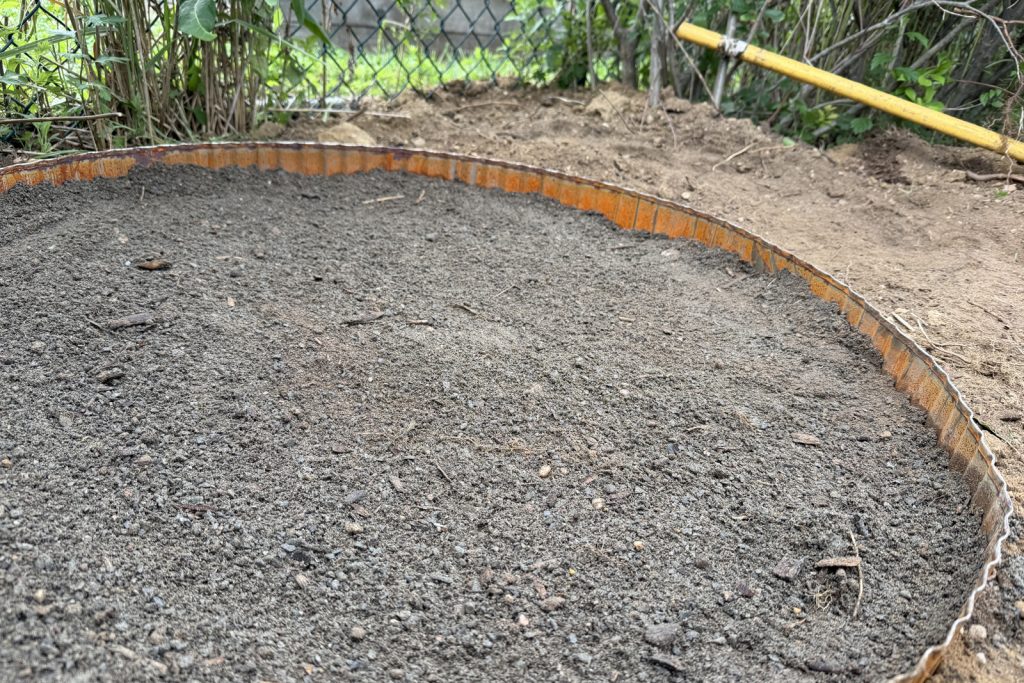
Burrows in the Boroughs
In some of our larger plazas, we also create patches of loose, sandy loam soil where ground-nesting bees can dig their nests. This kind of soil is rare in the city, where most ground is paved over, packed hard, or from construction fill. Nearly 70% of bee species are ground-nesting, making the availability of these habitats particularly important. Sweat bees, bumblebees, and mining bees are just a few of the genera that make ground nests.
We Plant Food for Bees
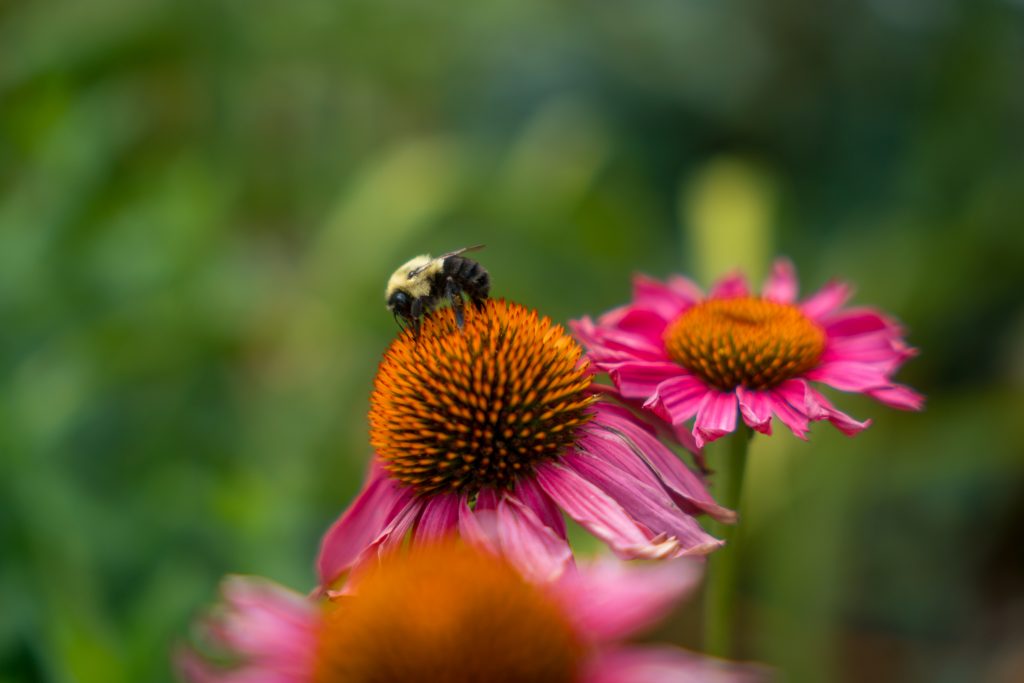
We plant pollinator-friendly flowers chosen to bloom from early spring through late fall, so there’s food all season long. We focus on native, resilient plants that can handle the heat, salt, and foot traffic of a city plaza. We also choose plants to provide a lot of forage in a small space, selecting plants and cultivars that have long lasting or repeat blooms. Some of our favorites include Anise Hyssop (Agastache) and Blanket Flower (Gaillardia).
How You Can Help
Everyone can make the city friendlier for bees, and our free Toolkit shows you how! Get to know your bee neighbors with our Native Bee ID Bingo sheet and plant bee-friendly flowers from our Pollinator Plant Palette. There are also lesson plans for educators and a guide for anyone who wants to keep learning.
Bees Belong in the Boroughs grew out of an earlier project called the Pollinator Port Project. We studied and built bee habitats alongside Dr. Kimberly Russell and her Bee Team at Rutgers University, with support from the NYC Department of Transportation, which hosts our sites on its plazas and Open Streets. What we learned in those years shaped the Borough Bee Boxes you see today.